
Development is an important parameter of a country’s progress and every developmental activity starts with an idea to build. Our future is highly determined by what we build today. When we speak about building, constructional activities account for some of the highest levels of carbon emissions, waste generation and resource consumption worldwide. To meet the rising needs of the cities, the construction industry is exploring beyond steel, wood and concrete by using Biocomposites. This shift has the potential to keep development intact without exhausting the planet of its valuable resources.
The Biocomposites are materials engineered by combining natural fibres and polymers to deliver strength, durability and sustainability in one package. They reduce environmental footprint as they use renewable fibres and recycled components, unlike the traditional construction materials, which rely heavily on mining and deforestation. Let’s dive more into knowing the positive features of Biocomposites.
Strength Without the Burden
Every industry has its own challenges when it comes to conserving the resources of the Earth and choosing sustainability. In the construction sector too, the idea is to reduce carbon footprint and balance the strength with sustainability. Biocomposites come out as a remarkable solution as they are lightweight yet tough, corrosion-free and are built to last even in extreme conditions. These qualities make it less prone to wear and tear, fewer replacements and reduced emissions linked to frequent manufacturing and transport, making it a smarter material choice for builders and architects.
Versatility in Application
Use of Biocomposites is reshaping every aspect of the construction industry today. From doors, frames and fences to panels, roofing and gratings. Their versatility and adaptability make them perfect for residential and commercial projects. They are ideal for a variety of settings like flats in urban regions, villas by the sea, resorts and hotels in rural settings or industrial constructions, because they won’t rust or decay like steel or warp like wood.
Redefining Sustainability in Construction
Biocomposites make a significant contribution to the circular
economy,making them stand out in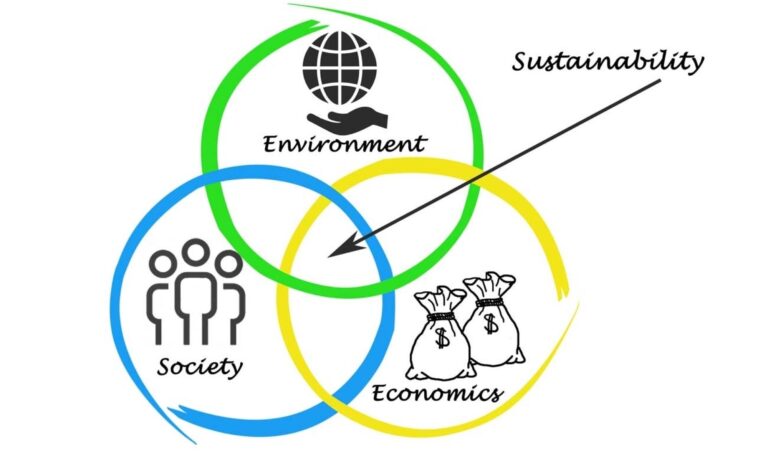 addition to their durable nature. The renewable and recycled resources used in the production of Biocomposites, resulted in a decrease in reliance on new materials, cutting down the construction waste. The exceptional longevity of this material further enhances sustainability by minimising the need for replacements, thereby shrinking the overall environmental footprint.
EP Biocomposites: Leading the Change in Sustainability
At EP Biocomposites, sustainability is our foundation. With over three decades of eco-friendly product innovation, we’ve pioneered the use of FRP (Fibre Reinforced Polymer) and advanced biocomposites for doors, louvers, roofing, sanitation systems and more. Our products are engineered to last longer, perform better and demand less maintenance, reducing costs and carbon emissions for every project.
Whether it’s through FRP doors that replace timber without cutting trees, STPs and biodigesters that recycle water for reuse, or prefabricated biocomposite solutions that speed up construction while reducing waste, EP Biocomposites is redefining how sustainable construction looks and feels.
The future of construction is not just about building bigger. It’s about building smarter, greener and stronger. With EP Biocomposites innovative solutions, that future is already taking shape today.